Model: KRD12-200 Pneumatic Horizontal Shock Test System
Industry: Electric Vehicles & Power Batteries
Application: Mechanical Shock Testing of Battery Products and Related Components
Test Type: Horizontal Shock Testing
Solution: CME Horizontal Shock Test System
01 | Industry Background
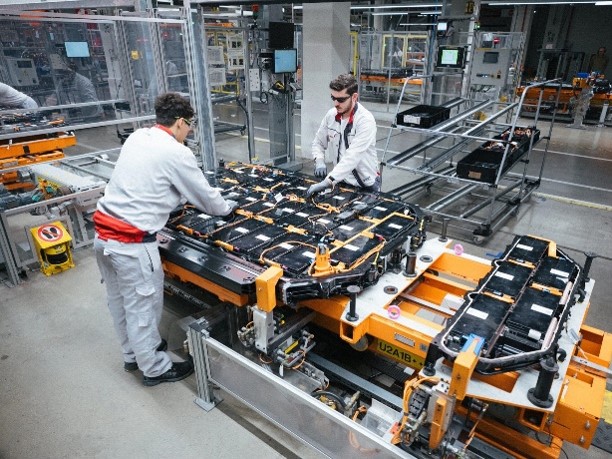
With the rapid development of the electric vehicle industry, the safety and reliability of power batteries have become increasingly important.
During manufacturing, transportation, vehicle assembly, and actual operation, battery packs, modules, and related components may be exposed to mechanical shocks from different directions and at varying intensities. Such impacts may affect structural integrity, internal connections, and long-term product reliability.
Mechanical shock testing helps simulate potential impact conditions encountered during real-world applications. It is therefore an important method for evaluating the mechanical resistance and reliability of battery products and related components.
02 | Testing Challenges
Mechanical shock testing of power batteries and related components involves several considerations, including specimen dimensions, weight, mounting requirements, and different test conditions.
Key testing requirements include:
Horizontal Shock Testing: Providing a suitable test method for products that require shock testing in a horizontal orientation.
Adjustable Shock Conditions: Setting appropriate acceleration levels and pulse durations according to product characteristics and test requirements.
Controlled Test Execution: Ensuring that the shock testing process is properly controlled under different test conditions.
Test Data Recording: Measuring and recording key parameters such as acceleration, pulse duration, and velocity change for subsequent analysis.
03 | CME Solution
To address these testing requirements, CME provides the KRD12-200 Pneumatic Horizontal Shock Test System, designed to support mechanical shock testing of power batteries and related components.
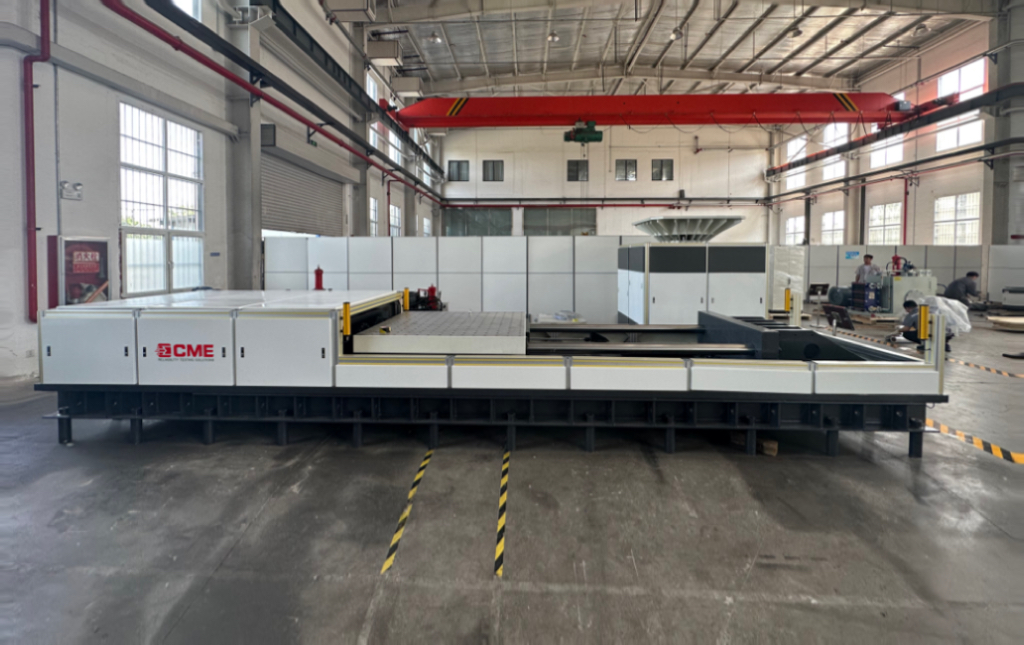
The system adopts pneumatic drive technology. By adjusting the air pressure and shock pulse generator configuration, different shock conditions can be achieved. Combined with a computer-based control and measurement system, it controls the testing process and measures key parameters, including shock acceleration, pulse duration, and velocity change.
With its horizontal test configuration and appropriate fixtures, the system provides a testing platform for evaluating the mechanical shock resistance of battery products and related components.
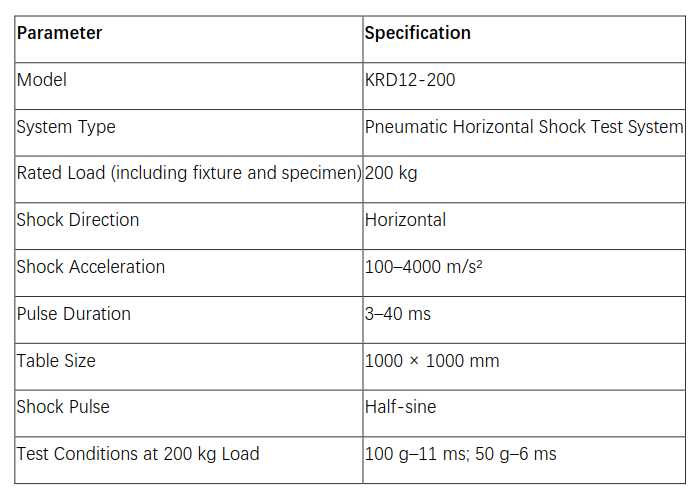
04 | Key Technical Specifications
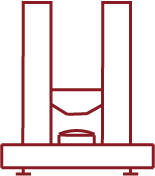
The system mainly consists of a shock control cylinder, circulating accumulator, shock push plate, worktable, reset cylinder, waveform generator, and guide mechanism. These components work together to perform horizontal shock testing.
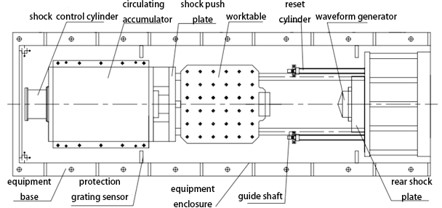
Figure 1. Structural Diagram of the KRD12-200 Pneumatic Horizontal Shock Test System
Typical Battery Shock Testing Specifications
Mechanical shock testing requirements vary depending on battery type and application. Based on different battery testing requirements, typical shock testing specifications can be divided into two categories: classical battery shock testing and high-energy battery shock testing.
Classical Battery Shock Testing Specifications
Shock Acceleration
16 g@60 ms
24 g@16 ms
25 g@15 ms
30 g@15 ms
50 g@11 ms
50 g@15 ms
150 g@6 ms
High-energy Battery Shock Testing Specifications
Shock Acceleration
60 g@45 ms
24 g@50 ms
90 g@20 ms
150 g@15 ms
70 g@45 ms
300 g@11 ms
200 g@10 ms
Relevant Battery Testing Standards
The following standards are relevant references for battery testing:
UN 38.3
SAE J2464
SAE J2929
ISO 12405-3
UL 2580
The actual test conditions should be determined according to battery type, product specifications, and applicable testing standards.
05 | Key Advantages
01 | Horizontal Shock Testing
Provides horizontal shock testing for products and components that require horizontal mounting and impact verification.
02 | Adjustable Shock Conditions
Air pressure and shock pulse generator configurations can be adjusted to accommodate different shock intensities and pulse durations.
03 | Shock Measurement and Data Recording
Measures acceleration, pulse duration, and velocity change, providing essential data for test evaluation.
04 | Computer-Based Control and Reporting
The computer-based system supports test control, data recording, and report generation, facilitating test result management and traceability.
06 | Application Value
The KRD12-200 Pneumatic Horizontal Shock Test System provides a testing platform for evaluating the mechanical shock resistance of power batteries and related components. It helps laboratories assess structural resistance under shock conditions, investigate the potential effects of mechanical impacts on product structures and connection points, and obtain test data to support product design optimization and reliability evaluation.
CME is committed to providing professional environmental reliability testing solutions for the electric vehicle and power battery industries, supporting product quality and reliability verification.
Video